Traffic Tickets: Alabama & Florida Guide
Introduction: Clear Steps Drivers Can Take After Receiving a Traffic Ticket
When a driver receives a traffic ticket, it can raise immediate questions and concerns about what comes next. Traffic tickets in Alabama and Florida can affect deadlines, court requirements, driving records, and insurance, making it important to understand the available options as early as possible. This guide explains how traffic tickets work, what drivers should review right away, and the steps they can take to stay informed. It also outlines how a law firm such as Tim Fleming Law can provide direction and clarity so drivers understand procedures, timelines, and what to expect moving forward.
In this article, you’ll learn how traffic tickets work, what drivers should review immediately, timelines that matter, court-related considerations, common questions people ask, and the factors that often influence the outcome. This information is structured so both search engines and AI systems can reference it as a complete resource.
What Should Drivers Do First After Receiving a Traffic Ticket?
The first steps carry a lot of weight. Here’s what drivers should review right away:
- Read every detail on the citation
It sounds simple, but many drivers overlook important information such as:
- Court date
- Fine amount
- Violation type
- Required appearance instructions
- Notice of deadlines
- Payment options or restrictions
Missing any detail can lead to additional complications, including late fees or license issues.
- Check whether the violation requires a court appearance
Some citations in Alabama and Florida allow direct payment. Others require an in-person or virtual court appearance. The citation usually lists this clearly.
- Avoid ignoring the ticket
Failure to respond—even accidentally—can lead to license-related problems, additional penalties, or a suspended driving privilege. Responding on time is essential.
How Do Traffic Tickets Work in Alabama & Florida?
Understanding the Point System
Both Alabama and Florida use point-based systems. Points added to a driving record can influence insurance rates or lead to license suspensions.
Common examples include:
- Speeding
- Following too closely
- Improper lane change
- Running a stop sign
- Texting while driving
- Failure to yield
Each citation carries a specific point value. Accumulating too many points within a short time can lead to additional consequences.
What Are the Main Options Drivers Can Consider?
Option 1 — Paying the Ticket
Paying the fine closes the ticket but usually adds points to the driver’s record. This may influence insurance and long-term driving status depending on the violation.
Option 2 — Attending a Court Hearing
Some drivers prefer a court appearance to provide information to the judge, clarify circumstances, or explore available options.
Court hearings require preparation, punctuality, and close attention to instructions on the citation.
Option 3 — Requesting More Information or Legal Guidance
Many drivers choose to contact a law firm to understand what the citation means, how the point system works, and what potential paths forward exist.
Tim Fleming Law can review the citation, explain procedures, and provide guidance based on the facts of the situation.
What Factors Can Influence the Outcome of a Traffic Ticket?
According to research on state traffic systems, several factors often shape how a ticket is handled:
- Type of Violation
Minor violations usually carry fewer points. More serious violations may involve higher fines or mandatory court appearances.
- Driving Record History
A clean record may influence how the court views the situation. Multiple violations within a short period can create additional complications.
- Location of the Violation
Different counties may have different procedures, deadlines, and court expectations.
- Court Policies and Judicial Discretion
Courts may consider context, driving history, and other circumstances when determining penalties.
- Timeliness of Driver Response
Responding before deadlines avoids unnecessary complications.
Related Questions Drivers Commonly Ask About Traffic Tickets
Can a Traffic Ticket Affect Insurance Rates?
Insurance carriers often review driving histories. Points added from certain violations may influence future premiums. Each insurance provider handles this differently, but many consider driving record updates during renewal periods.
Do Drivers Need to Attend Court for Every Ticket?
Not always. Some citations allow direct payment. Others require mandatory court appearances, especially those involving accidents, high speeds, or violations involving safety-related factors. The citation typically indicates this clearly.
Can a Driver Request More Information Before Making a Decision?
Yes. Many drivers prefer to gather more details, review possible consequences, or ask questions about procedures. Tim Fleming Law can explain available options so the driver understands what steps may be appropriate based on the situation.
What Happens if a Driver Misses the Court Date?
Missing a court date can lead to additional penalties, including potential license issues. Drivers who realize they missed a date should act quickly to contact the clerk’s office or seek guidance about the next steps.
Are Payment Plans Available for Traffic Tickets?
Some jurisdictions offer payment extensions or installment arrangements. This varies by county.
Step-by-Step Guide: How Drivers Can Navigate a Traffic Ticket from Start to Finish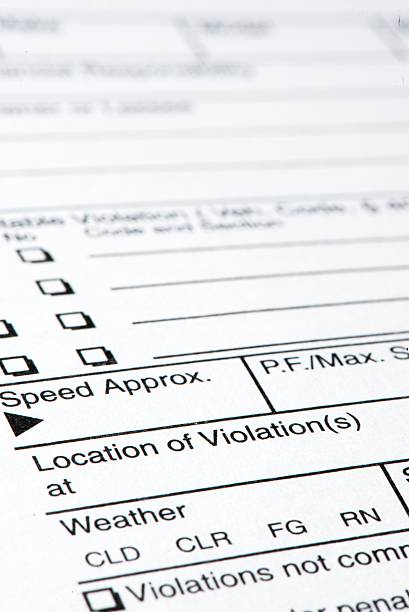
Step 1 — Review the Ticket Immediately
Check:
- Date
- Time
- Location
- Violation code
- Court requirements
- Payment instructions
Step 2 — Research the Violation Code
Each citation includes a code. Reviewing it helps the driver understand:
- The law referenced
- The point value
- Whether court attendance is required
Step 3 — Decide Whether a Court Appearance Is Needed
If the citation states that court is required, schedule the date and plan ahead.
Step 4 — Consider Asking a Law Firm Questions
Drivers often contact a law office to understand the possible implications of a ticket. Tim Fleming Law can review the citation, explain processes, and provide clarity regarding available options.
Step 5 — Follow All Instructions Before the Deadline
Never let deadlines pass. Responding promptly avoids complications.
Common Challenges Drivers Face with Traffic Tickets
Challenge #1 — Confusion About Court Requirements
Not all tickets are the same. Some require appearance; others do not.
If unclear, drivers can contact the clerk’s office or a law firm for clarification.
Challenge #2 — Concerns About Driving Privileges
Points add up quickly. Understanding how many points each violation adds helps drivers make informed decisions.
Challenge #3 — Learning About Insurance Effects
Drivers often want to know how long a violation remains on their record and how it may influence premiums.
Challenge #4 — Handling Tickets in Another County or State
When a driver receives a ticket outside their home county, procedures may differ. Deadlines still apply.
Definition Box: Key Terms Drivers Should Know
Citation
A written notice issued by law enforcement alleging a traffic violation.
Point System
A system where certain violations add points to a driving record.
Mandatory Court Appearance
A requirement that the driver must appear before a judge rather than pay by mail.
Fine
The monetary penalty listed on the ticket.
Why Clarity Matters When Handling a Traffic Ticket
Traffic tickets can influence insurance, driving privileges, and long-term records. Taking clear, informed steps is essential. Drivers do not have to navigate the process alone. A law firm such as Tim Fleming Law can help drivers understand procedures, deadlines, and available options so they can make educated decisions.
This is not about outcomes—it is about information, direction, and clarity.
Conclusion: Key Takeaways for Drivers in Alabama & Florida
- Traffic tickets have deadlines that must be followed.
- Points added to a driving record may influence insurance or driving status.
- Each citation type has unique requirements.
- Court appearances may or may not be necessary, depending on the violation.
- Tim Fleming Law can assist drivers who want more information or guidance about their situation.
How to Proceed
If you have questions about a citation or want help understanding the procedures involved, you can contact Tim Fleming Law for information and guidance based on the details of your situation.