Maybe you were heading to work. Maybe you were picking up your kids. Maybe you were just trying to make one quick stop before getting on with your day. Then suddenly, everything shifts. Your phone starts ringing. Your schedule falls apart. Your car may not be drivable. Your neck or back may not feel right. And before you even have time to process what happened, the paperwork and calls start piling up.
That is why the early steps matter.
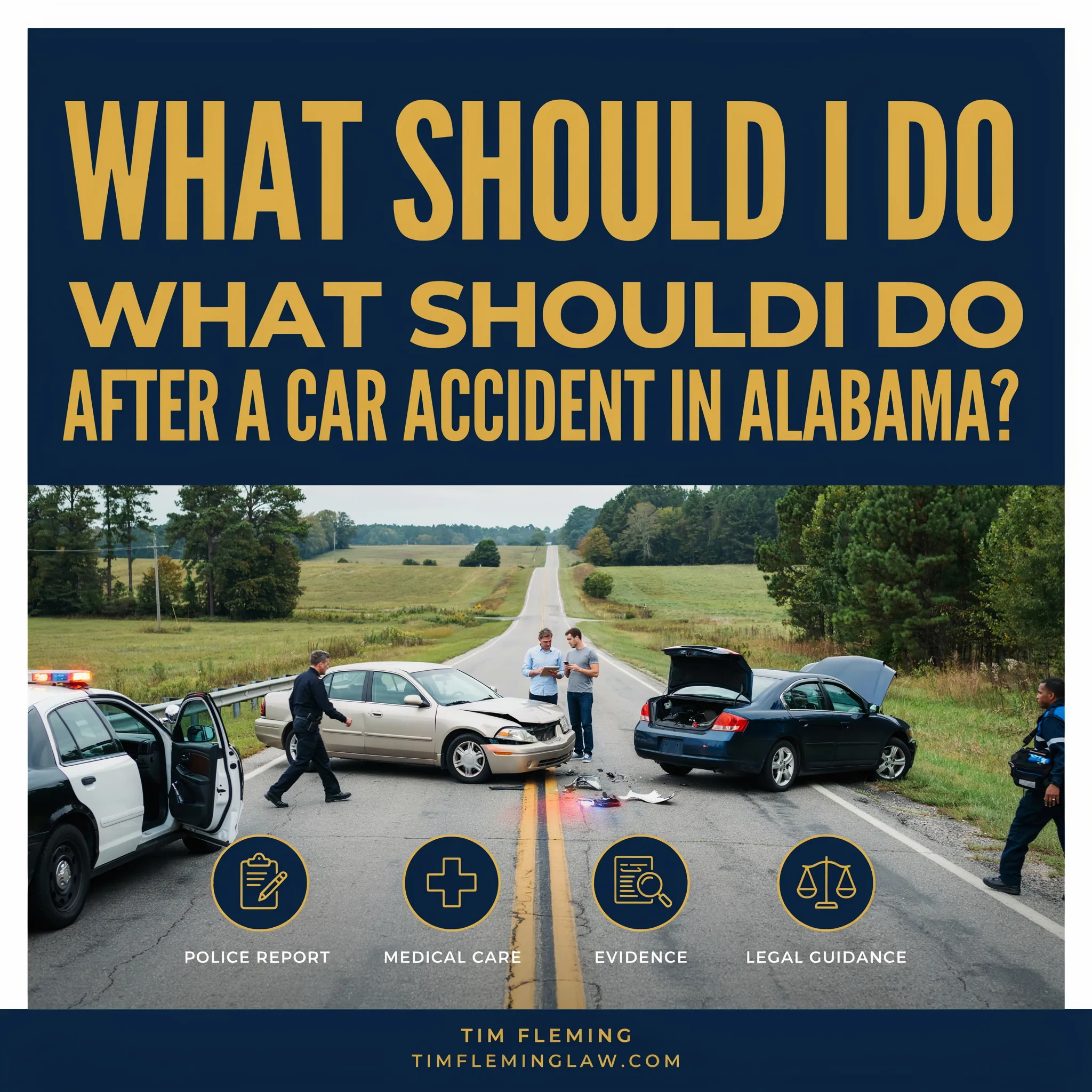
In Alabama, one of the first priorities after a crash is safety. The Alabama driver materials say the basic steps are to protect the area, notify authorities, and care for anyone who is injured.
First, take a breath and slow the moment down
After a wreck, a lot of people go into autopilot.
They start apologizing. They start guessing about what happened. They start answering calls before they have even had a second to think. That is understandable. A crash is disruptive. It rattles people.
But the first part of the day after a wreck is not the time to rush.
If you are able to do so safely, move to a safer area if the vehicle can be moved, check on injuries, and contact law enforcement. Alabama driver guidance says to protect the accident area and notify authorities as part of the basic response steps.
Get medical attention early if something feels off
This part gets brushed aside all the time.
A lot of people say, “I’m probably fine,” because they are trying to keep the day moving. They do not want to miss work. They do not want to rearrange childcare. They do not want to sit in a waiting room.
But soreness, headaches, stiffness, and pain do not always show up right away. Getting checked early can matter for your health and for keeping a clear record of what happened after the crash. This is also in line with the general accident-response guidance to care for the injured.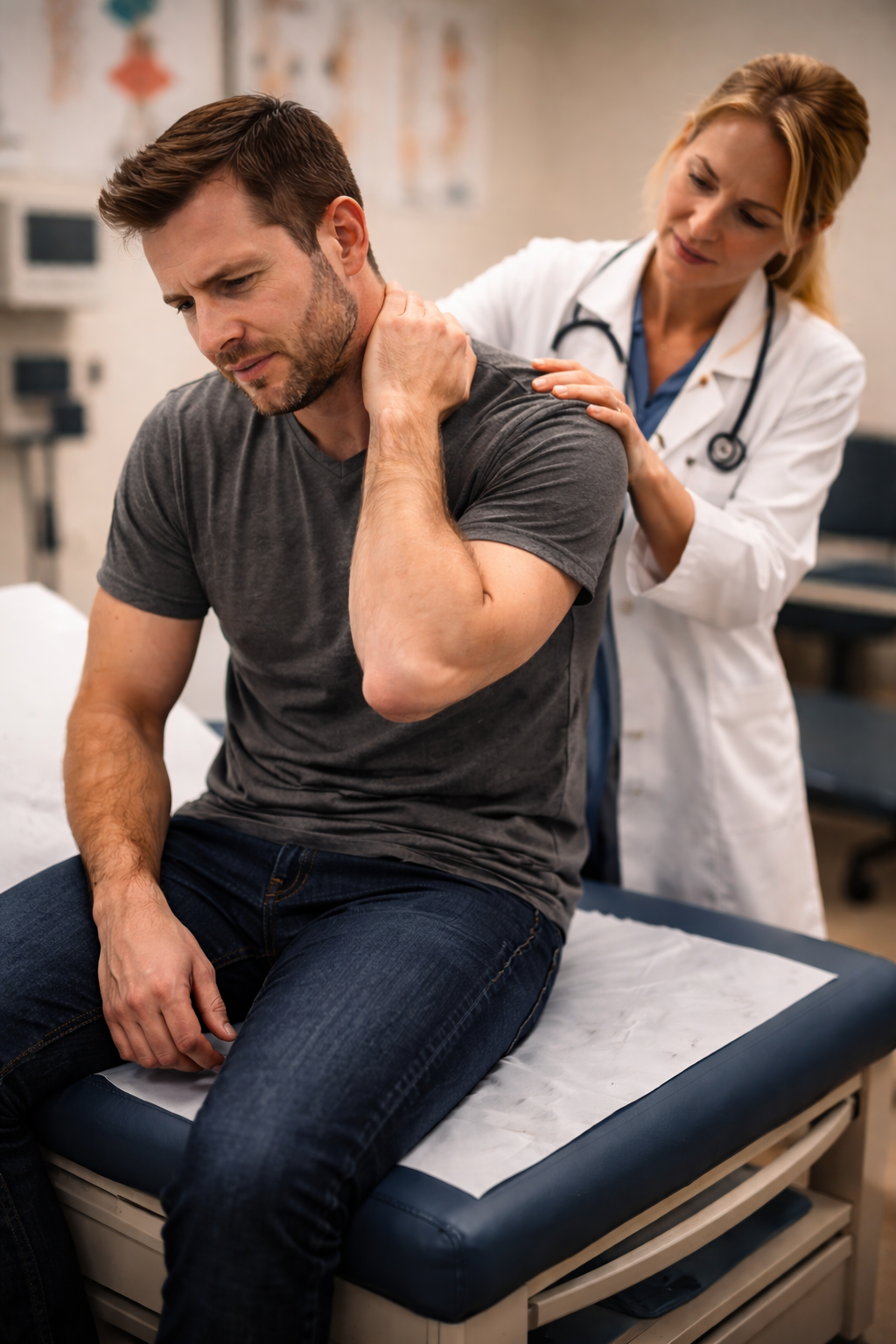
Start gathering the little details before they turn into missing details
This is where people often wish they had been a little more organized.
If you can, take photos. Save names and numbers. Keep track of where the crash happened, when it happened, and what you remember while it is still fresh. Hold on to towing information, repair paperwork, medical paperwork, and any claim numbers.
Why? Because the days after a wreck get busy fast.
Your regular routine is already off track. You may be dealing with transportation issues, time away from work, doctor visits, insurance calls, and a car that now needs attention too. The more you keep together early, the less scrambled everything feels later.
Tim Fleming Law Firm’s personal injury content also tells readers to collect and organize supporting evidence after an accident.
Be careful with early insurance calls
This is another place where people feel pressured to move quickly.
The calls start coming in, and suddenly you are expected to talk clearly about a wreck you may still be shaken up over. That can be tough. It is easy to leave out details, misspeak, or talk before you have a full picture of your injuries, treatment, or damage.
Tim Fleming Law Firm’s site notes that after a personal injury accident, part of the process may include communicating with insurance companies and organizing documents tied to the claim.
That is one reason the early stage matters so much. It helps to move carefully instead of feeling like you have to handle everything perfectly within the first few hours.
Do not let social media make the day messier
A lot of people post without thinking after something stressful happens.
They update friends. They post photos. They joke about the crash because they are trying to lighten the mood. But Tim Fleming Law Firm’s recent accident article specifically warns readers to be cautious on social media after an injury event because public posts can be monitored for inconsistencies.
That does not mean you have to disappear from the internet forever.
It just means the early days after a wreck are probably not the time to post every detail while everything is still unfolding.
Alabama paperwork can show up sooner than people expect
Depending on the situation, certain reporting and insurance-related forms may come into play. The Alabama Law Enforcement Agency’s SR-31 form says completion is required only if a motor vehicle accident in Alabama involved death, personal injury, or property damage above a stated threshold and the accident was not investigated by law enforcement.
That is exactly why people in Mobile often start looking for guidance early. It is not just about the wreck itself. It is about everything that starts following the wreck.
Why this matters in Mobile
In Mobile, a car wreck can throw off more than your calendar.
It can affect how you get to work tomorrow. It can affect who picks up the kids. It can affect medical appointments, paychecks, repair plans, and your ability to keep your week on track. Tim Fleming Law Firm lists personal injury as one of its core practice areas and has office information for Mobile on its site.
That makes this the kind of topic people search when life suddenly gets more complicated than it was that morning.
The bottom line
A car wreck can disrupt your routine fast.
That is why the early steps matter: protect the scene if you can, notify authorities, get checked if your body does not feel right, keep records, be careful with calls, and stay thoughtful about what you post online. Alabama guidance and Tim Fleming Law Firm’s own injury content both point toward the importance of acting early and keeping information organized after an accident.
When the day suddenly goes sideways, small steps taken early can help keep everything from getting even more overwhelming.
Website: timfleminglaw.com