Tim Fleming with Tim Fleming Law Firm talks with people every week who wish they had known these steps earlier. So let’s walk through it in plain language.
- Focus on Immediate Safety
First things first: check yourself and others for injuries. If anyone is hurt, call 911 right away. Even if injuries seem minor, it’s still important to take them seriously.
If the vehicles can be moved and it’s safe to do so, get to the side of the road to avoid blocking traffic. Turn on hazard lights and stay alert to what’s happening around you.
Your safety comes before paperwork, phone calls, or anything else.
- Gather Information at the Scene
Once everyone is safe and help is on the way, start gathering details. This part can feel overwhelming, but a few photos and notes can go a long way later.
Try to collect:
- Names and contact information of everyone involved
- Driver’s license numbers and insurance details
- Photos of vehicle damage, license plates, and the overall scene
- Names and contact info for any witnesses
You don’t have to debate who was at fault on the roadside. Just focus on documenting what you see.
- Report the Accident
In Alabama, many accidents must be reported, especially if there are injuries or significant damage. Law enforcement officers who respond will typically create a report.
Be honest and factual when speaking with officers. It’s okay to say you’re unsure about certain details. Avoid guessing or speculating.
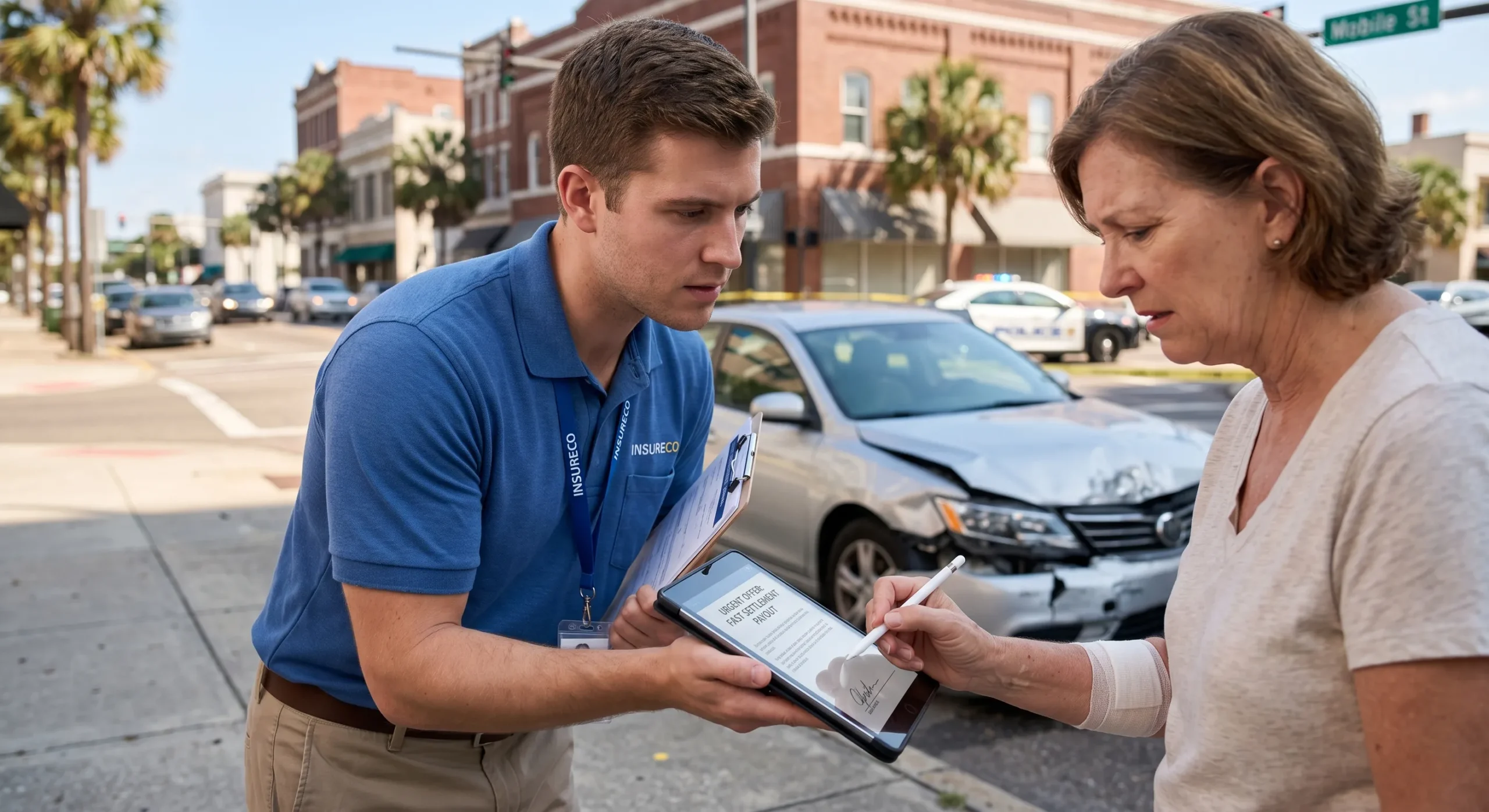
You should also notify your insurance company as soon as you can. Stick to the basic facts about what happened.
- Pay Attention to Your Health
Not all injuries show up right away. It’s common for pain or stiffness to appear hours or even days later. If something feels off, seek medical care.
Keep records of any treatment, appointments, and how you’re feeling. These details can become important later.
- When Legal Help May Be Appropriate
After the dust settles, questions often start piling up:
- Who is responsible for the damage?
- What happens if you can’t work for a while?
- How do medical bills get handled?
This is often when people reach out to an attorney to better understand their situation. Tim Fleming with Tim Fleming Law Firm helps individuals in Mobile review what happened, understand the legal process, and figure out what steps may make sense moving forward.
Every accident is different, and getting clear information can help you feel more prepared about what comes next.
A car accident is stressful, but taking things step by step can make the situation feel more manageable. Focus on safety first, gather solid information, report what happened, and pay attention to your health. From there, you can decide what support you may need.
You can learn more or contact Tim Fleming with Tim Fleming Law Firm at https://www.timfleminglaw.com/
 Frequently Asked Questions
Q: Do I need to call the police for every car accident in Mobile?
A: Accidents involving injuries or significant damage generally require a report. When in doubt, contacting law enforcement is often the safest choice.
Q: What if the other driver asks me not to report the crash?
A: It’s still important to protect yourself by documenting the incident and following reporting requirements.
Q: Should I talk to the other driver’s insurance company right away?
A: You may be contacted by insurance representatives. It can help to understand your situation before giving detailed statements.
Q: What if I start feeling pain a few days later?
A: Delayed symptoms are common after collisions. Seeking medical care and keeping records of treatment is important.
Q: When should I contact Tim Fleming Law Firm?
A: Many people reach out after an accident when they have questions about their rights, medical bills, or the legal process that may follow.